Growing your medical practice is not only about reaching patients when they are searching for care....

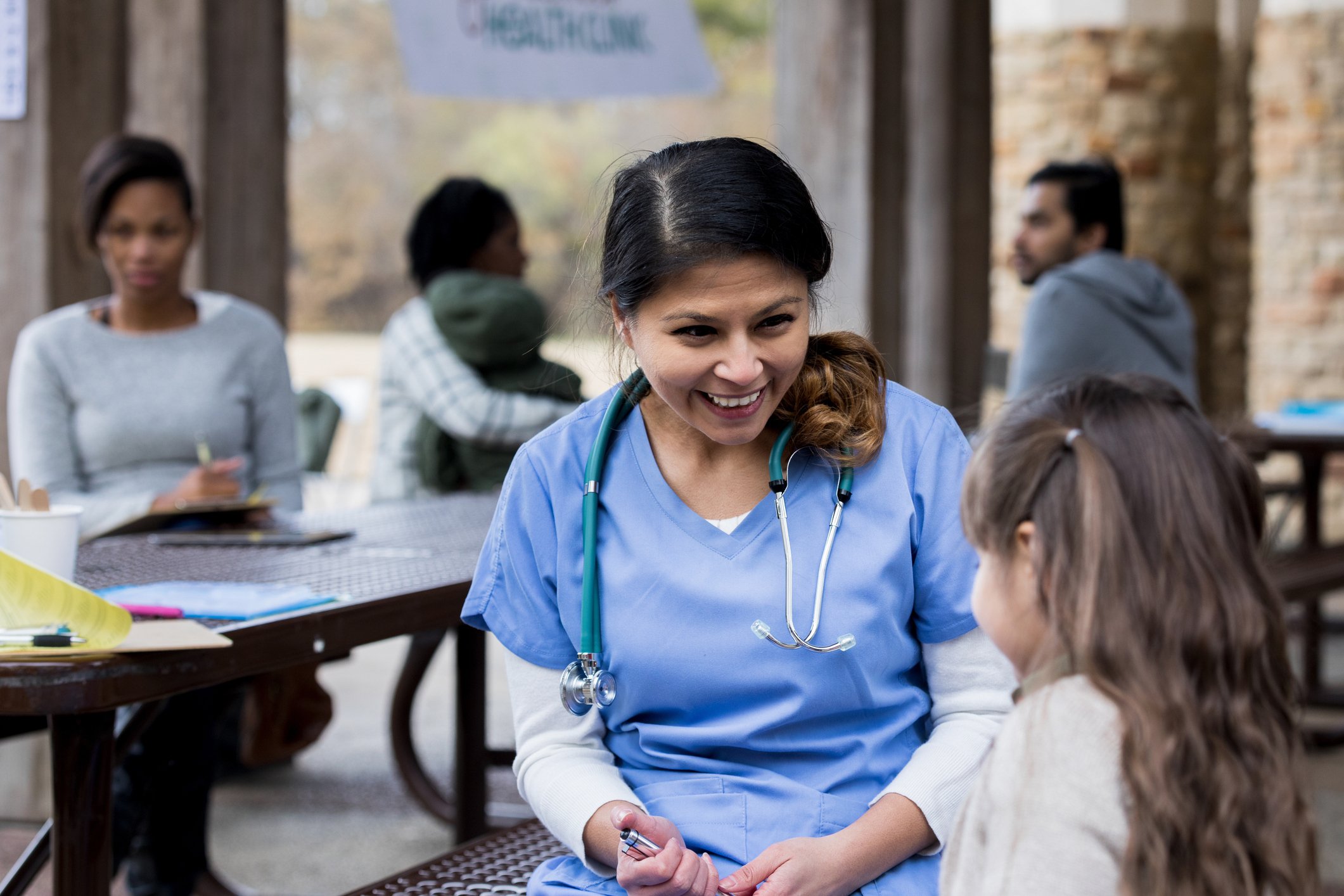
Growing your medical practice is not only about reaching patients when they are searching for care. It is also about becoming a trusted and visible part of the community you serve.
A well-planned patient outreach program can help you do both. Community events give your practice opportunities to educate patients, build relationships with local organizations, connect with referral partners, and introduce your providers to people who may need care in the future.
But successful outreach takes more than setting up a table at a local event. The best programs start with a clear audience and purpose. From there, you can choose events that provide real value while supporting your practice's larger growth goals.
If your practice is looking for new ways to get involved in the community it serves, these health event ideas are a good place to start.
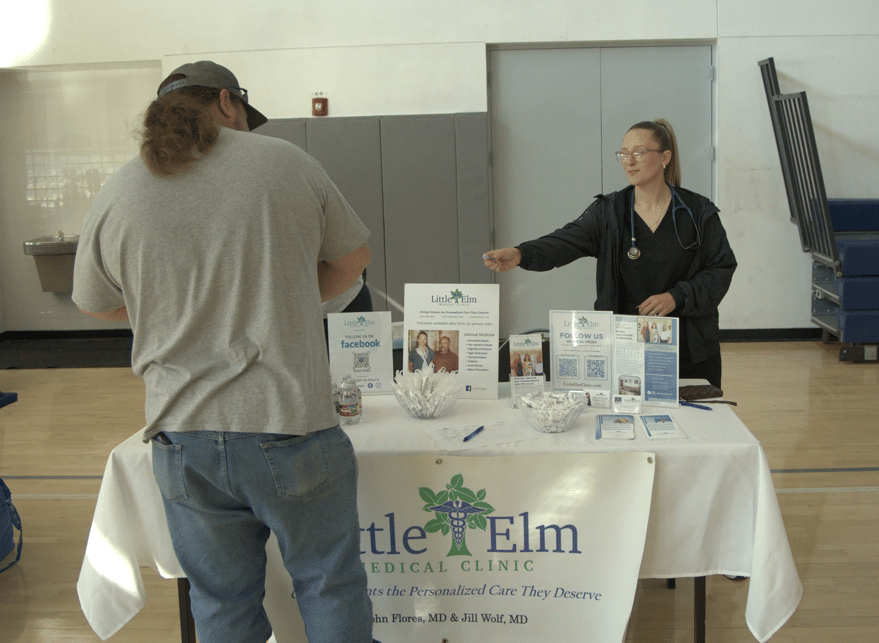
Health fairs are one of the most familiar forms of healthcare outreach, but there are many ways to make them more useful.
Your practice could participate in an established event organized by a school, employer, municipality, nonprofit, or other community group. You could also partner with other local healthcare organizations to organize a larger event.
Depending on your specialty, your team might provide educational materials, basic screenings, demonstrations, or opportunities to ask a provider general health questions.
The key is to make your participation useful. Rather than simply handing out brochures, consider what attendees would actually want to learn or do.
A cardiology practice, for example, might offer blood pressure checks and heart health resources. An orthopedic practice could provide information on preventing common sports or workplace injuries.
Health fairs can help you reach a broad audience while giving community members a low-pressure way to meet providers and become familiar with your practice.
Some of the most effective community health initiative examples are also relatively simple.
Basic screenings allow you to bring useful healthcare services directly to people in places they already visit. Depending on your specialty and available resources, this might include:
Blood pressure checks
Blood glucose checks
Heart health screenings
Hearing screenings
Fall-risk assessments
Other simple, specialty-appropriate screenings
Consider partnering with employers, senior living communities, gyms, churches, schools, or community organizations to host a pop-up screening event.
These events can support community health promotion while also helping people identify potential concerns they may not have recognized on their own.
Before the event, establish a clear process for what happens if a screening identifies a possible problem. Participants should understand what the screening does and does not tell them and where they can go for appropriate follow-up care.
Not every outreach event needs to be large.
Lunch and learns give your physicians and clinical staff a chance to provide focused health education in the community. They work especially well when you want to reach a specific audience, such as employees at a local company, senior groups, caregivers, parents, or community organizations.
Choose a topic that addresses a real concern for that audience. For example:
Keep the session educational rather than promotional. Attendees should leave with useful information whether or not they ever become patients.
A short presentation, time for questions, and a helpful take-home resource can turn a simple lunch meeting into a meaningful community connection.
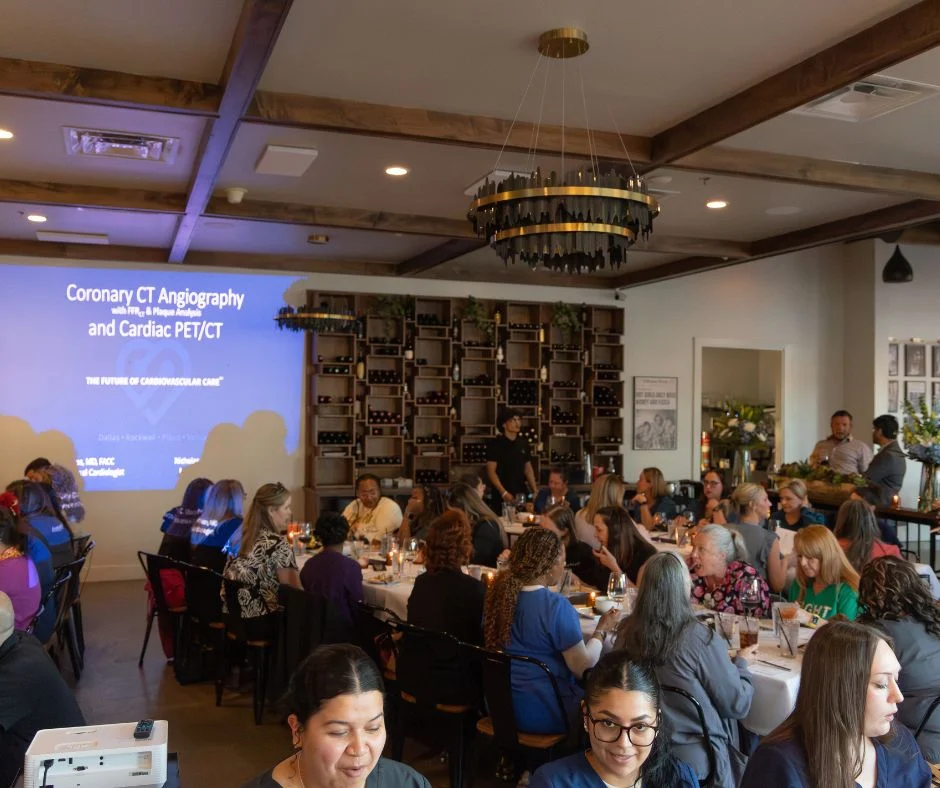
Educational dinners can provide more time for conversation and relationship building than a traditional seminar or health fair.
For patients and community members, a dinner might focus on a condition, treatment option, preventive health topic, or common question related to your specialty.
Educational dinners can also be designed for physicians and referring providers. These events give specialists an opportunity to share clinical knowledge, discuss services, and strengthen relationships with other providers in the community.
A successful dinner requires more than a good presentation. Consider the full experience, including:
The right audience and invitation list
A convenient venue
Registration and reminders
A focused educational topic
Useful event materials
Time for questions and conversation
Follow-up communication
Smaller events like these can be especially valuable when your outreach goal is to build deeper relationships rather than reach the largest possible audience.
Workshops offer another way to turn your providers' expertise into useful community education.
Unlike a presentation where attendees mainly listen, workshops can include demonstrations, hands-on activities, group discussions, and Q&A sessions.
Possible topics include nutrition, injury prevention, heart health, chronic disease management, healthy aging, caregiver education, or other issues that fit your specialty.
You also don’t need to host these programs at your practice. Libraries, recreation centers, schools, senior centers, and nonprofit organizations may already have the space and audience you need.
This can make partnerships particularly valuable. Instead of building an audience from scratch, you can work with organizations that already have strong connections with the people you want to reach.
Consider making successful workshops recurring events. A quarterly or seasonal education series can create more lasting community awareness than a single event.
Some community outreach ideas for healthcare can focus on practical skills rather than general education.
Depending on your practice's expertise, your team might offer training related to CPR, first aid, injury prevention, workplace ergonomics, caregiver skills, or another relevant health topic.
Think about groups that could benefit from your expertise. That could include employers, teachers, coaches, caregivers, first responders, or community volunteers.
For example, a sports medicine practice could offer an injury-prevention session for local coaches. A healthcare organization serving older adults could provide fall-prevention training for caregivers.
These programs help community members learn skills they can use immediately. At the same time, they introduce your providers and practice as accessible local resources.
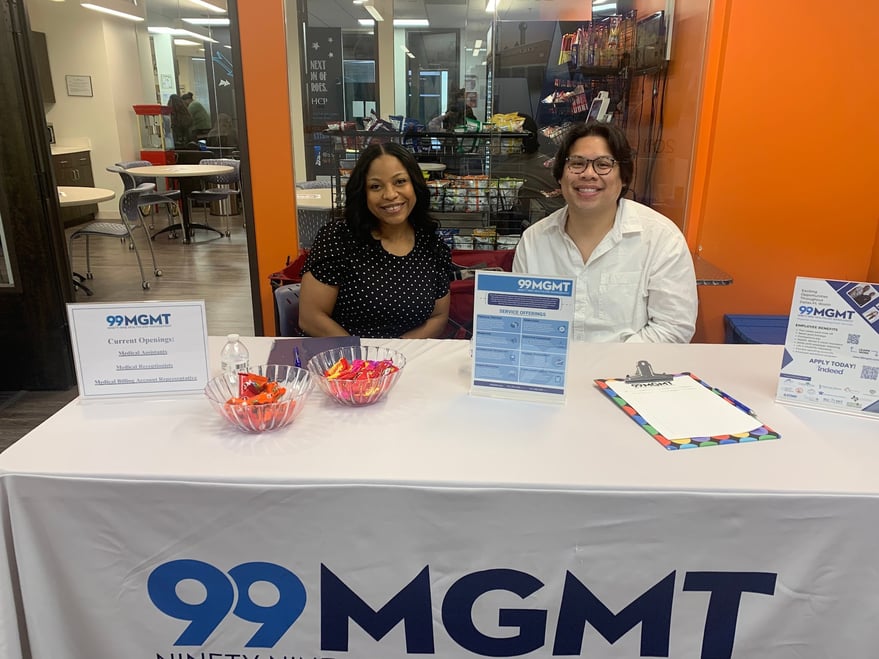
Patient outreach does not always have to focus directly on patient acquisition.
Participating in career expos, school programs, and healthcare career days can strengthen your practice's relationship with the broader community while supporting the future healthcare workforce.
Your physicians, nurses, medical assistants, practice administrators, and other staff can introduce students to the many career paths available in healthcare.
This outreach can also help practices develop relationships with local high schools, colleges, universities, and training programs. Over time, those connections may support recruiting and internship opportunities.
These events may not produce immediate patient appointments, but they can build community recognition and demonstrate your practice's investment in the area it serves.
In many cases, the strongest event ideas come directly from your own specialty and patient population.
Consider what your providers know that would be particularly valuable to your community.
A cardiology practice might organize a heart health event. An ENT practice could provide hearing education or screenings. An orthopedic group could partner with local athletic organizations on injury prevention. An OB-GYN practice might organize a women's health education event.
Specialty-specific events can make your outreach more relevant because there is a natural connection between the community need and your team's expertise.
They can also help you build strategic partnerships. Schools, employers, senior communities, fitness organizations, nonprofits, and other healthcare providers may already serve the same populations your practice wants to reach.
A health fair or educational dinner can be valuable on its own. But your outreach becomes much more powerful when individual events are part of a larger strategy.
Before choosing your next event, identify what you want it to accomplish.
Your goal might be to:
Once the goal is clear, identify the audience and event format most likely to support it.
Also consider what should happen after the event. An attendee may want to download a resource, sign up for future educational events, visit a page on your website, or schedule an appointment. Referral partners may need additional information about your providers or services.
Building those next steps into the plan helps connect community engagement with your broader marketing strategy.
A worthwhile idea is only one part of a successful patient outreach program.
Healthcare events can require coordination across marketing, operations, clinical teams, and outside partners. Depending on the event, planning may include venue coordination, invitations, registration, digital promotion, signage, educational materials, photography, staffing, and post-event follow-up.
Patient privacy and other compliance considerations should also be addressed from the beginning, particularly when screenings or health information are involved.
Promotion matters, too. Your website, email list, social media channels, referral relationships, and community partners can all help you reach the right audience.
Planning these pieces together can make the event feel more organized for attendees while helping your practice get more value from the time and resources invested.
Attendance is useful, but it should not be the only measure of success.
Depending on your goals, track metrics such as registrations, event participation, new patient inquiries, appointments, referral activity, website engagement, and relationships established with community organizations.
Also pay attention to what you learn. Which topics generated the most questions? Which community partners were most engaged? Did attendees ask for another event?
Community outreach often creates value over time. Someone who attends a blood pressure screening today may not need a cardiologist immediately. But if your practice provided a helpful, positive experience, they may remember your name when they or a family member need care later.
Your community receives useful education, resources, and access to healthcare expertise. Your practice builds awareness, relationships, and trust with the people it serves. The strongest medical outreach programs create value for both your practice and community.
That is why community events should not be treated as isolated marketing activities. With the right planning, they can become part of a broader strategy for patient outreach and practice growth.


Growing your medical practice is not only about reaching patients when they are searching for care....

Forming business relationships is part of running a successful medical practice. You may hire...

Opening and running a successful private practice takes more than providing excellent patient care....



Billing is one of the most frustrating and time-consuming parts of running a small practice....

If your private medical practice provides a service, you deserve to be paid accurately and on time....


Healthcare compliance training is a highly important part of any medical organization’s functions....